What Is Orca (ORCA)? Solana Liquidity, Whirlpools and Token Utility
What is Orca?
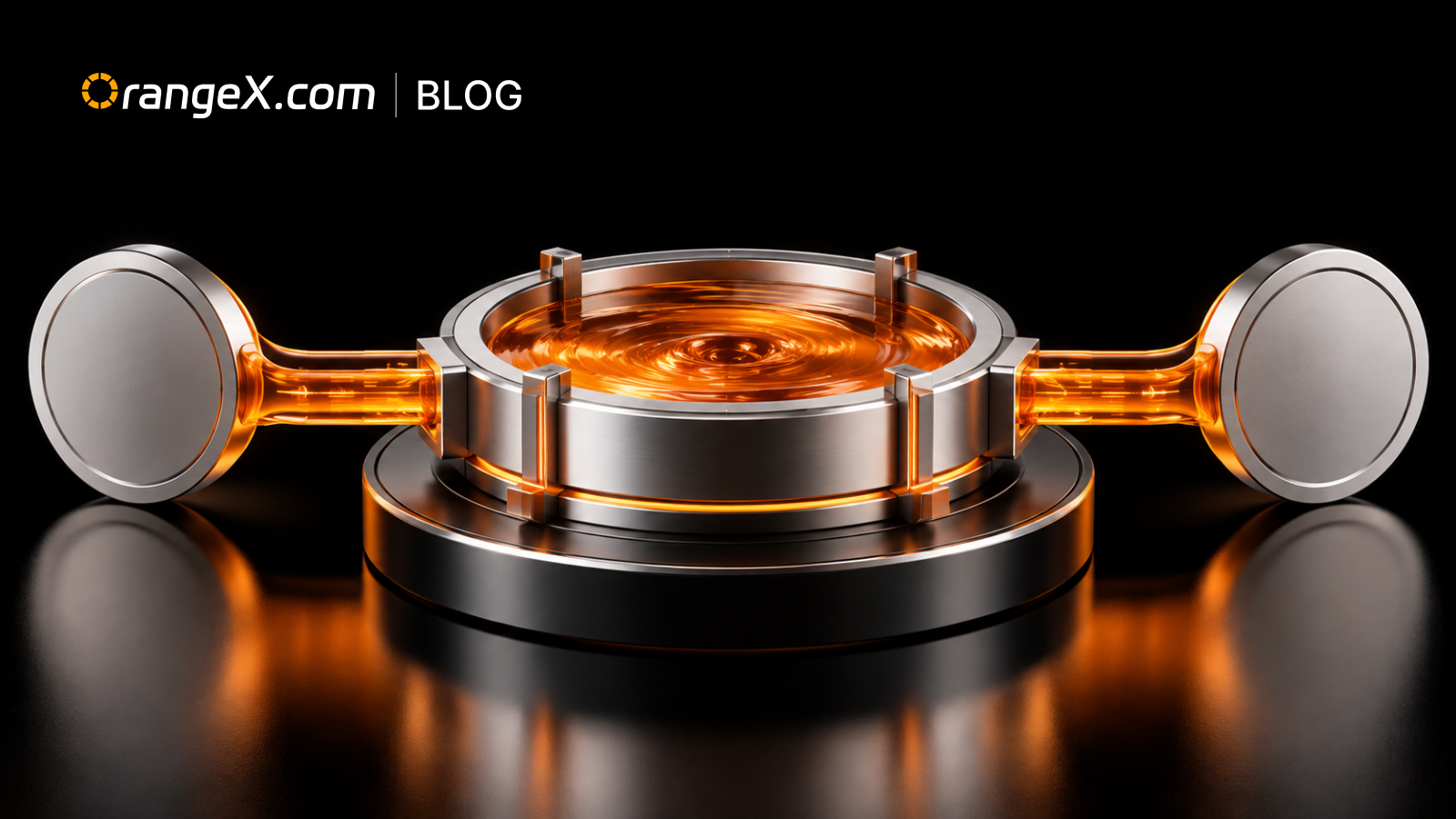
Orca is a decentralized exchange and automated market maker built for the Solana ecosystem. Instead of matching every buyer with a seller through a traditional order book, its smart contracts let users swap against token pools funded by liquidity providers. Orca also provides tools for projects and developers to create tokens and integrate liquidity. Its official documentation describes the protocol’s main trading and liquidity products.
ORCA is the protocol token. It should be evaluated separately from the exchange interface: holding ORCA does not guarantee trading profits, fee income or protection from losses.
How do Whirlpools work?
Whirlpools are Orca’s concentrated-liquidity pools. A liquidity provider chooses a price range instead of spreading capital across every possible price. When the market trades inside that range, the position can earn a share of swap fees; when price moves outside it, the position stops earning fees until the range becomes active again. Orca’s Whirlpools documentation explains the underlying program and integration tools.
Concentrated liquidity can use capital efficiently, but it also makes range selection important. A position’s token mix changes as the market moves, and its value can underperform simply holding the two assets. This is commonly called impermanent loss, although the loss becomes realized when the position is withdrawn or rebalanced.
What is the ORCA token used for?
ORCA has been used for protocol governance and community decisions. Earlier governance materials gave tokenholders authority over areas such as treasury spending and protocol control. A September 29, 2026 proposal also discusses changing how protocol fees and treasury assets would be allocated and narrowing future governance to defined matters.
Because proposals can change before approval or implementation, users should distinguish a forum proposal from an executed on-chain rule. Check the final vote, deployed contracts and current interface before assuming a benefit exists.
Why is ORCA receiving attention now?
At approximately 14:05 Beijing time on October 6, 2026, OrangeX’s Markets page listed ORCA/USDT among Top Gainers at about 2.43 USDT, with a displayed 24-hour change of +21.83%. This is a time-specific snapshot, not evidence of a lasting trend or a single verified cause.
Search interest around Orca commonly focuses on what the protocol does, how liquidity pools work, and whether a governance or fee proposal changes token utility. Those are reasonable research questions, but a daily price increase can also reflect broad Solana activity, leverage, thin liquidity or short-term positioning. Avoid assigning one cause without supporting data.
What risks should users review?
- Smart-contract risk: audited software can still contain defects or be affected by integration failures.
- Liquidity-provider risk: concentrated positions can move out of range and experience impermanent loss.
- Token risk: ORCA can reprice sharply, and governance rights do not guarantee cash flow.
- Proposal risk: forum discussions may be amended, rejected or implemented differently.
- Execution risk: market orders can suffer slippage when depth is limited or volatility rises.
- Network risk: Solana congestion, wallet errors or unsupported transfers can delay or lose access to funds.
The Orca security page and available audit materials are useful starting points, but users should also inspect the pool, token mint and transaction permissions they actually plan to use.
How can users research or trade ORCA?
Start with Orca’s documentation, verify official links and confirm the token mint through current project channels. For liquidity provision, review the pair, fee tier, selected range, position composition and expected transaction costs. For token governance, read the complete proposal and verify whether it passed and was implemented.
OrangeX showed an ORCA/USDT spot market during the snapshot above. OrangeX also maintains an ORCA/USDT perpetual market. Spot and perpetual products have different ownership, leverage, funding and liquidation risks. Check the live price, spread, depth, fees and regional availability before placing an order. This article is educational and does not promise returns.