What Is a Digital Commodity? A Clear Guide to Crypto’s Most Important Regulatory Category in 2026
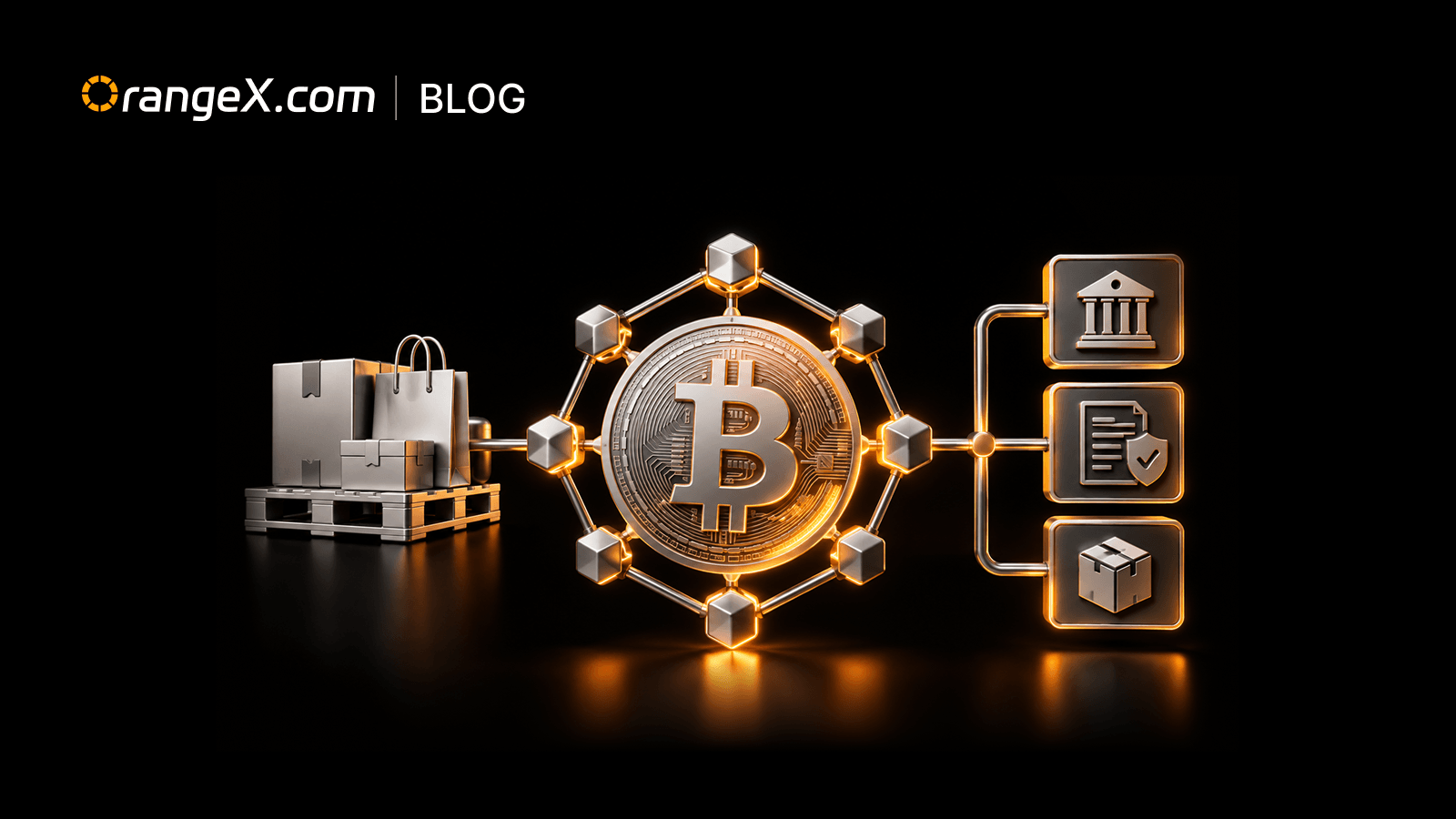
A digital commodity is an on-chain asset whose value comes from open-market supply and demand and from the operation of a functional blockchain network, not from the ongoing efforts of a company or central issuer. It behaves more like gold or oil than like a share of stock.
Bitcoin remains the purest example. It has no CEO, no earnings reports, no dividends, and a fixed supply schedule written into its code. Its price is set entirely by buyers and sellers. In the United States this distinction is no longer just theoretical. It determines which federal agency has primary oversight and what rules apply to trading, listing, and custody.
Why the Definition Matters
For years crypto assets lived in a gray zone between the Securities and Exchange Commission (SEC) and the Commodity Futures Trading Commission (CFTC). The Howey test — the legal standard used to decide whether something is an investment contract — left many tokens exposed to securities-law enforcement even after their networks became decentralized.
In March 2026 the SEC and CFTC jointly issued an interpretive release that created a formal five-category taxonomy for crypto assets. One of those categories is “digital commodity.” The agencies explicitly named 16 tokens as examples, including Bitcoin, Ether, Solana, XRP, Cardano, Chainlink, Avalanche, Polkadot, Hedera, Stellar, Litecoin, Dogecoin, Shiba Inu, Tezos, Bitcoin Cash, and Aptos. The list is non-exhaustive; other assets that meet the same criteria can also qualify.
Under the joint guidance, a digital commodity is “a crypto asset intrinsically linked to and deriving its value from the programmatic operation of a crypto system that is functional, as well as supply and demand dynamics, rather than from the expectation of profits from the essential managerial efforts of others.” Once a network is sufficiently decentralized and no longer relies on a controlling group’s ongoing work, the asset can trade as a commodity.
Key Characteristics of Digital Commodities
Several features consistently appear in the regulatory definition and in market practice:
No central issuer controlling value — Price is set by the market, not by company performance.
Fungibility — One unit is interchangeable with another of the same asset.
Decentralization — No single party can unilaterally change the rules or extract rents.
Programmatic scarcity or utility — Supply schedules, issuance rates, or network functions are encoded and transparent.
Free transferability — Assets move on public blockchains without needing permission from an issuer.
These traits separate digital commodities from securities (which represent claims on a common enterprise) and from other crypto categories such as tokenized securities, digital collectibles, or certain utility tokens that still depend on a project team.
Digital Commodities vs Traditional Commodities and vs Securities
Traditional commodities such as gold, silver, crude oil, or wheat are physical goods. They require storage, transport, and physical delivery. Digital commodities exist only as entries on a blockchain. They can be transferred globally in seconds, settled almost instantly, and held without warehouses or vaults.
Both types of commodities derive value primarily from supply and demand rather than from an issuer’s profits. Both trade on spot and futures markets. The main practical differences are form, speed, and the absence of physical logistics for digital assets.
The contrast with securities is sharper:
Securities face registration requirements, detailed disclosures, and stricter investor-protection rules. Digital commodities face a lighter regime focused mainly on fraud, manipulation, and derivatives oversight.
Who Regulates Digital Commodities?
In the United States the CFTC has long treated Bitcoin as a commodity and has regulated its futures markets since 2015. The 2026 joint interpretation extended clarity to a broader set of assets and confirmed that digital commodities are non-securities. The CFTC’s authority over the underlying spot markets remains more limited than its authority over futures and swaps, though it can still pursue fraud and manipulation cases. Pending market-structure legislation such as the CLARITY Act would expand the CFTC’s role over digital-commodity spot trading and require registration of relevant intermediaries.
The SEC retains jurisdiction over securities and over transactions that meet the Howey test. The joint taxonomy reduced the previous overlap and case-by-case uncertainty that had defined much of the previous decade.
Outside the United States the commodity-versus-security framing is less central. The European Union’s Markets in Crypto-Assets (MiCA) regulation uses its own categories and a unified licensing regime. The United Kingdom is bringing digital-asset activities under the Financial Conduct Authority. Singapore treats major unbacked cryptocurrencies as digital payment tokens under the Payment Services Act. The same asset can therefore face different rules depending on the jurisdiction in which it trades or the service provider that offers it.
Practical Market Impact in 2026
Clear classification has several consequences. Spot trading of the named digital commodities no longer carries the same securities-registration risk that once hung over many platforms and intermediaries. Futures and other derivatives continue under the CFTC’s established framework. Institutional products such as exchange-traded products and trusts that hold these assets have a clearer path. Projects whose tokens meet the decentralization criteria gain greater certainty about how their assets can be listed and traded.
The classification is not permanent for every token. An asset that begins life as part of an investment contract can later become a digital commodity once the network is functional and holders no longer reasonably rely on a promoter’s essential efforts. Conversely, tokens that remain dependent on a central team’s ongoing work stay closer to the securities category.
Tokenized real-world commodities (gold, silver, oil, etc.) sit in a related but distinct market. As of mid-2026 the tokenized-commodities segment was dominated by gold, which accounted for the overwhelming majority of the roughly $5 billion category, while the broader tokenized-asset market (excluding stablecoins) had grown into the tens of billions.
Looking Ahead
The 2026 joint interpretation marked a shift from enforcement-by-ambiguity toward a more structured taxonomy. It does not eliminate every gray area, and statutory legislation such as the CLARITY Act could further refine or codify the definition. Global divergence in regulatory approaches will continue, so cross-border platforms and investors still need to navigate multiple regimes.
For traders and holders the practical takeaway is straightforward. Assets that qualify as digital commodities trade under a commodity framework with lighter ongoing disclosure obligations and clearer pathways for spot and derivatives markets. Understanding whether a token meets the decentralization and value-source tests helps explain why some assets face fewer listing hurdles and why others remain under tighter scrutiny.
Digital commodities are not “crypto without rules.” They are crypto assets whose economic reality — decentralized networks driven by open-market forces — places them closer to traditional commodities than to corporate securities. That distinction, now formally recognized by U.S. regulators, is one of the most consequential developments in the industry’s regulatory history.