What Is Solana? A Practical Guide to the High-Speed Blockchain 2026
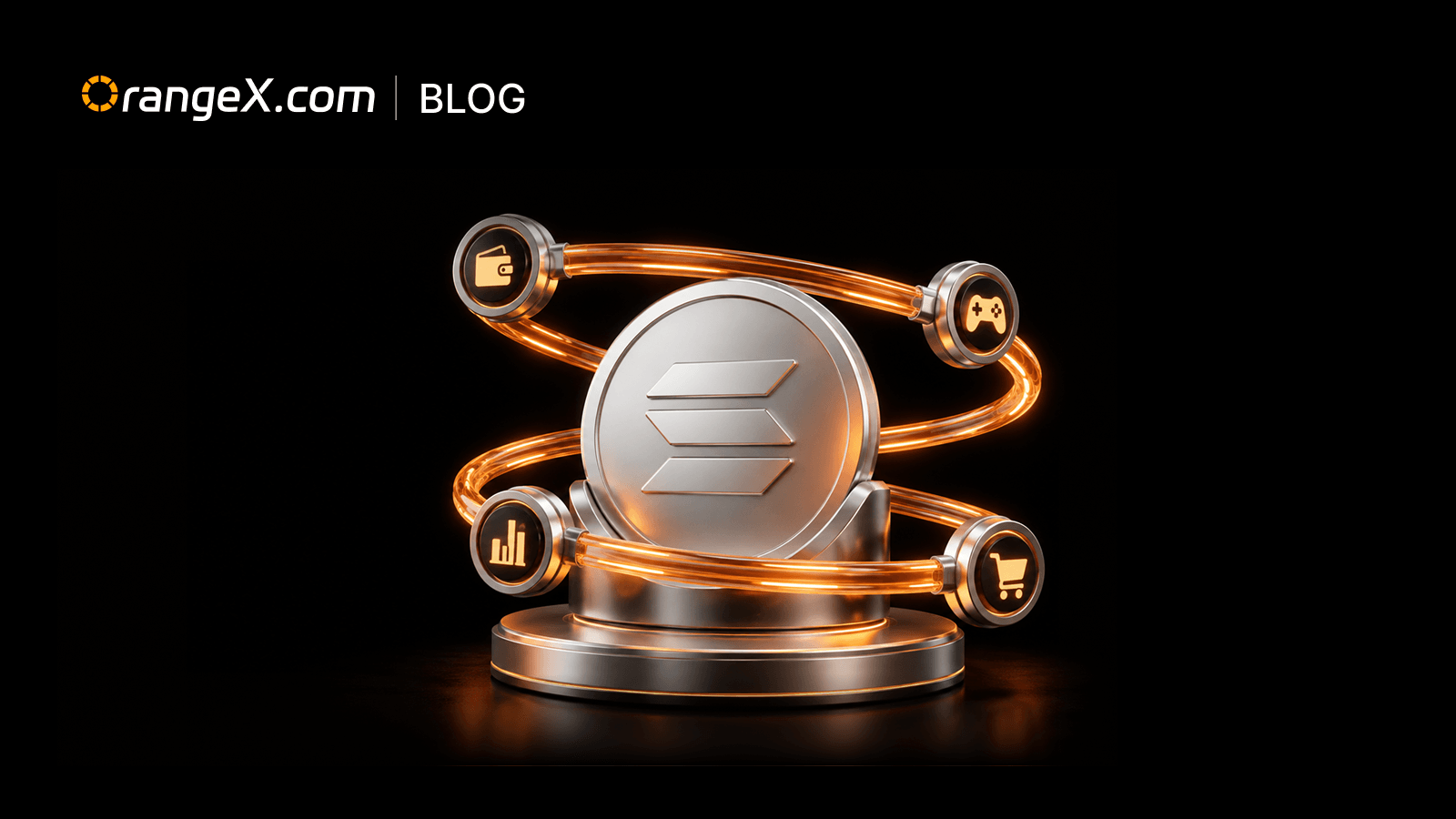
Solana is a high-performance Layer-1 blockchain designed for speed, low costs, and scalability. Its native token, SOL, powers transactions, staking, and the broader ecosystem of decentralized applications. Built to support demanding use cases such as decentralized finance, NFTs, gaming, and payments, Solana aims to deliver thousands of transactions per second with fees that typically remain a fraction of a cent.
As of mid-September 2026, SOL trades near $96–$98, with a market capitalization of approximately $57 billion and a circulating supply of around 587 million tokens out of a total supply near 634 million. Its all-time high sits close to $293–$294. These figures fluctuate with market conditions, but the underlying network continues to process high volumes of activity while advancing major upgrades.
How Solana Works
Solana combines Proof of History (PoH) with a proof-of-stake consensus mechanism. Proof of History creates a verifiable sequence of events that allows the network to order transactions efficiently without every validator needing to agree on timing in real time. This design enables parallel processing and contributes to Solana’s reputation for high throughput and low latency.
Transactions confirm quickly—often in under a second—and costs stay low even during busy periods. The network supports a growing set of applications because developers can build complex interactions without the same fee and speed constraints found on some other chains.
Key characteristics include:
High scalability through parallel transaction processing
Very low transaction fees that support frequent activity
A robust developer ecosystem focused on DeFi, consumer apps, and emerging use cases
Ongoing technical improvements aimed at greater reliability and even faster finality
Solana launched its mainnet in 2020 after development began in 2018. Co-founders include Anatoly Yakovenko and others with backgrounds in distributed systems and software engineering. Over time the network has attracted significant developer activity and user adoption, particularly for applications that benefit from speed and low costs.
Recent Progress and Network Health
In 2026 the network has continued refining performance and reliability. Recent upgrades have increased the maximum size of individual transactions (now supporting up to 4,096 bytes in the newer format), expanded compute capacity, and advanced work on the Alpenglow consensus redesign. Alpenglow targets substantially faster finality—potentially around 150 milliseconds—while simplifying certain validator operations. Parallel client development has also improved resilience by reducing reliance on a single software implementation.
These changes help Solana support more sophisticated applications, including complex multi-step trades, multi-signature workflows, and privacy-related features, without forcing developers to split operations across many smaller transactions.
Why Solana Matters for Traders and Users
SOL serves multiple roles: it pays network fees, can be staked to help secure the chain and earn rewards, and acts as a base asset across decentralized exchanges and applications. Price movements often reflect broader market sentiment, on-chain activity levels, and progress on technical upgrades. Periods of strong ecosystem growth or successful network improvements have historically supported demand, while reliability concerns or macro pressures can create short-term volatility.
For those looking to buy, sell, or hold SOL, spot markets offer a straightforward way to gain exposure at current prices. Liquidity and execution quality matter, especially during periods of elevated activity around major announcements or market moves.
Trading Solana on OrangeX.com
OrangeX.com provides direct spot trading for the SOL-USDT pair. Users can buy or sell Solana at the prevailing market rate using limit or market orders. The platform emphasizes competitive trading fees, deep liquidity for major pairs, and a clean interface available on both web and mobile. Security measures include cold storage for the majority of assets, multi-signature protections, proof-of-reserves transparency, and additional safeguards designed to protect user funds.
Whether you are accumulating SOL for the longer term, actively trading short-term moves, or simply converting between assets, a reliable spot venue with transparent fees and strong security practices supports efficient execution. You can view live pricing and place trades on the OrangeX.com SOL-USDT spot market.
Additional tools such as convert functions and earn products offer further flexibility for users who want more than pure spot exposure. Explore the full range of markets and features on the OrangeX.com platform.
Looking Ahead
Solana’s roadmap continues to prioritize performance, reliability, and developer experience. Upcoming consensus improvements and ongoing client diversity work aim to strengthen the network’s foundations as usage grows. At the same time, the broader market environment—including institutional interest, regulatory developments, and competing platforms—will influence adoption and price discovery.
Solana is not without risks. Network performance can vary, upgrades require careful coordination, and cryptocurrency prices remain volatile. Understanding the technology and using platforms that prioritize security and transparency are practical steps for anyone engaging with the asset.
For the latest SOL pricing and to trade against USDT, visit the SOL-USDT spot trading page. Stay informed through reliable sources and manage risk according to your own goals and circumstances.
FAQ:
What makes Solana different from other blockchains?
Solana prioritizes high throughput and low fees through its Proof of History design and parallel processing, making it well-suited for applications that require frequent or low-cost transactions.
How many SOL tokens are there?
Circulating supply stands near 587 million, with total supply around 634 million as of September 2026. The token follows a disinflationary issuance schedule combined with fee burns.
Is Solana a good long-term holding?
That depends on individual risk tolerance, time horizon, and conviction in the network’s continued technical progress and ecosystem growth. SOL has shown strong historical performance in certain cycles but remains subject to significant volatility.
How can I buy Solana?
Use a reputable exchange that lists the SOL-USDT pair, complete any required verification, fund your account, and place a spot order at the current market price.
Solana continues to evolve as one of the most actively used high-performance blockchains. Whether you are exploring the technology or trading the asset, staying current with network developments and using secure, liquid platforms remains the most practical approach.